
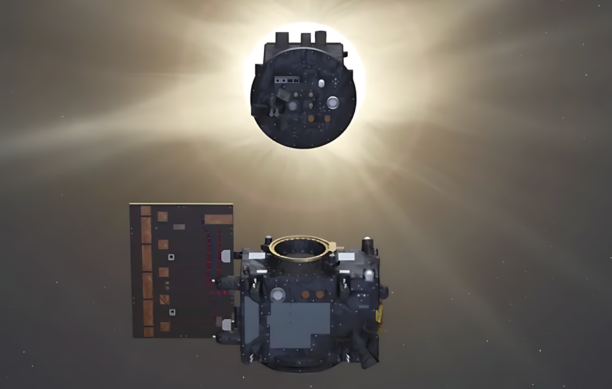
The European Space Agency’s Proba-3 mission has pulled off a historic first: an artificial solar eclipse. Two satellites, dubbed the “Occulter” and the “Coronagraph,” worked in perfect sync on orbit to cast a shadow about 8 centimeters wide, mimicking a total eclipse. This allowed scientists to observe the Sun’s corona—usually visible only during natural eclipses—without […
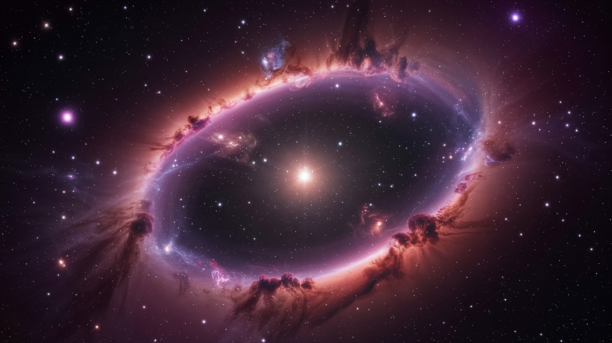
About a century ago, astronomers discovered that the universe isn’t static, as Einstein originally assumed, but is instead expanding — galaxies are moving away from one another. This led to a fundamental question: if space is expanding, where is its center? However, modern physics shows that this very question is flawed — in an expanding […]
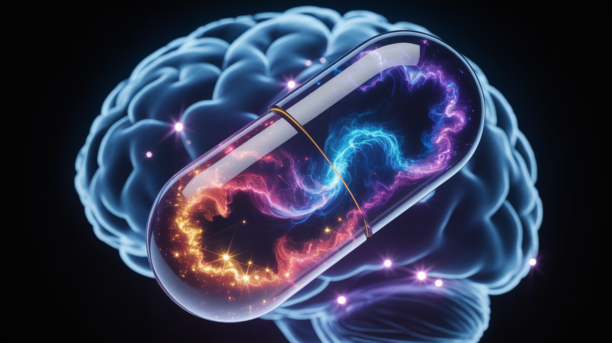
Scientists in Japan have identified a genetic connection between melatonin production—the hormone responsible for regulating circadian rhythms—and the severity of symptoms in Attention Deficit Hyperactivity Disorder (ADHD). Since people with ADHD often experience sleep disturbances, researchers investigated whether disrupted circadian rhythms might influence symptom development.
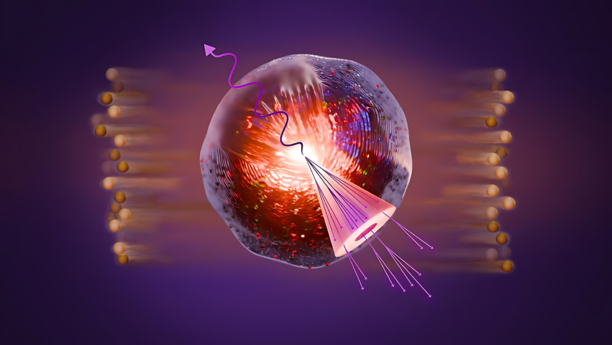
Physicists at Brookhaven National Laboratory have made significant progress in studying quark-gluon plasma (QGP)—an extremely hot and dense state of matter that existed during the first microseconds after the Big Bang. Using the Relativistic Heavy Ion Collider (RHIC), they investigated how high-energy particle jets interact with this exotic medium. The STAR collaboration’
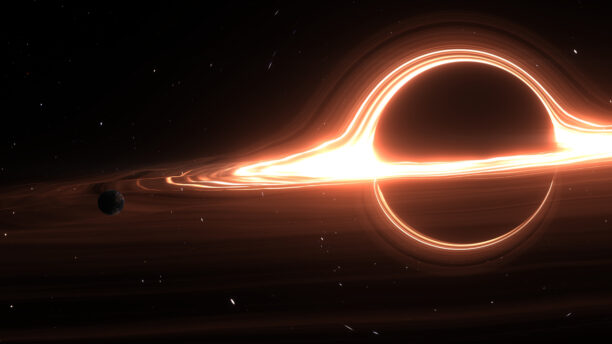
Scientists from Johns Hopkins University have proposed using supermassive black holes as natural analogues of supercolliders to search for dark matter and other fundamental particles. According to the authors of a study published in Physical Review Letters, these cosmic giants could offer a powerful and cost-effective alternative to building particle

SpaceX is pushing ahead with its Starship program despite past test failures. Elon Musk recently revealed that the company plans to send five uncrewed Starships to Mars as early as 2026. These missions will carry Tesla’s humanoid Optimus robots, with the main goal of testing critical technologies, including in-space refueling. Musk estimates the chances of […