
BIOTECH

Scientists at the Scripps Research Institute have developed the T7-ORACLE platform, accelerating synthetic protein evolution 100,000 times faster than natural processes. This system, presented in “Science”, enables the creation of proteins with novel functions for treating cancer, neurodegenerative diseases, and other conditions, bypassing lengthy traditional methods.
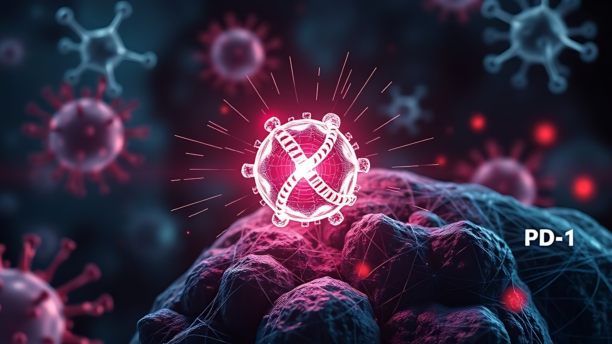
Scientists at the University of Florida have developed an experimental mRNA vaccine that activates the immune system to fight cancer—without the need to target specific tumor antigens. Published in Nature Biomedical Engineering, the study shows that this vaccine can enhance the body’s anti-tumor response, especially when combined with immune checkpoint inhibitors like anti-PD-1.

Physicists have, for the first time, detected light that passed through an adult human skull, traveling 15.5 cm and undergoing significant signal attenuation. The study, published in Neurophotonics, used a pulsed laser and a time-correlated single-photon detection system, capturing about one photon per second after 30 minutes of data collection.
Scientists in Japan have identified a genetic connection between melatonin production—the hormone responsible for regulating circadian rhythms—and the severity of symptoms in Attention Deficit Hyperactivity Disorder (ADHD). Since people with ADHD often experience sleep disturbances, researchers investigated whether disrupted circadian rhythms might influence symptom development.
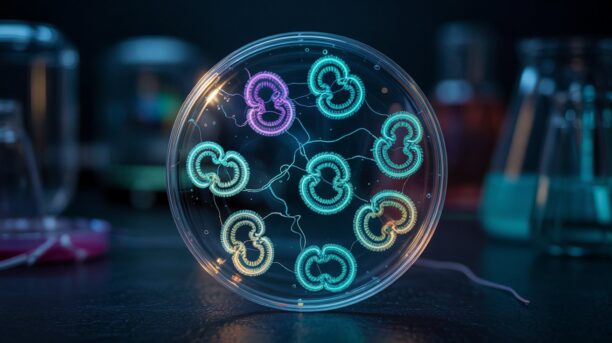
Researchers at Harvard University have made a groundbreaking discovery that challenges our understanding of life itself. They’ve shown that life-like processes—particularly self-replication—can occur without the involvement of biological molecules. In their experiments, the team created a synthetic system using amphiphilic block copolymers, built from simple chemical components.
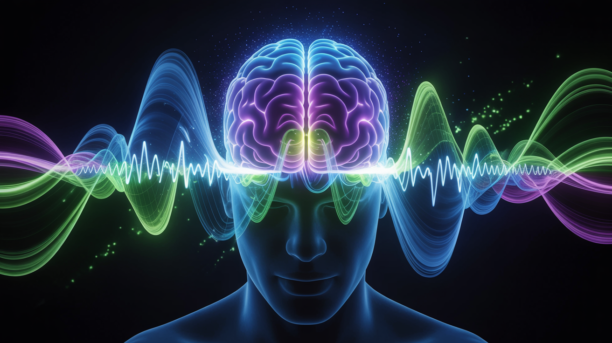
Scientists at the Massachusetts Institute of Technology have discovered a universal marker of consciousness loss under anesthesia — a disruption in the phase synchronization of brain waves. This breakthrough could pave the way for automated anesthesia monitoring systems and brings researchers one step closer to understanding the nature of consciousness.