

Scientists at the University of Florida have developed an experimental mRNA vaccine that activates the immune system to fight cancer—without the need to target specific tumor antigens. Published in Nature Biomedical Engineering, the study shows that this vaccine can enhance the body’s anti-tumor response, especially when combined with immune checkpoint inhibitors like anti-PD-1.

Engineers at Columbia University, backed by DARPA, have developed a “robotic metabolism” technology that enables robots to use parts from other machines for self-repair, growth, and evolution. This marks a significant step toward creating autonomous robotic ecosystems, where machines not only process information but can physically sustain themselves without human intervention.
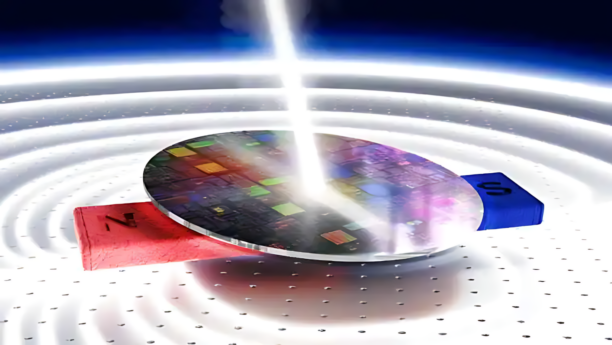
An international team of scientists has, for the first time, detected an extremely weak and previously thought impossible optical Hall effect in non-magnetic metals such as aluminum, copper, and gold. This discovery could significantly deepen our understanding of how light interacts with magnetic fields in everyday metals—potentially impacting technologies
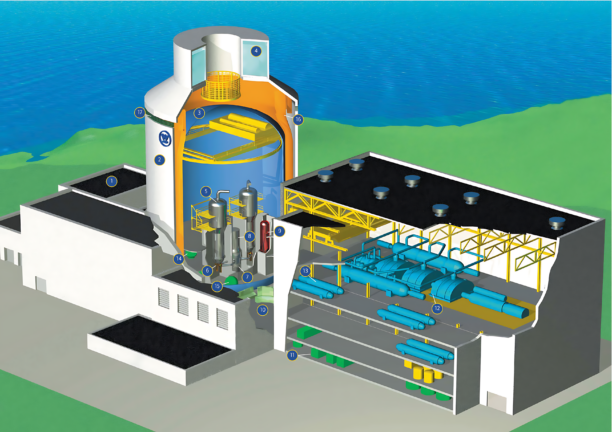
Westinghouse Electric Company has partnered with Google Cloud to harness artificial intelligence in accelerating the design and construction of nuclear reactors. The collaboration integrates key AI tools from Google — including Vertex AI, Gemini, and BigQuery — with Westinghouse’s proprietary platforms, such as the HiVE system and the Bertha language model. Vertex AI is used […
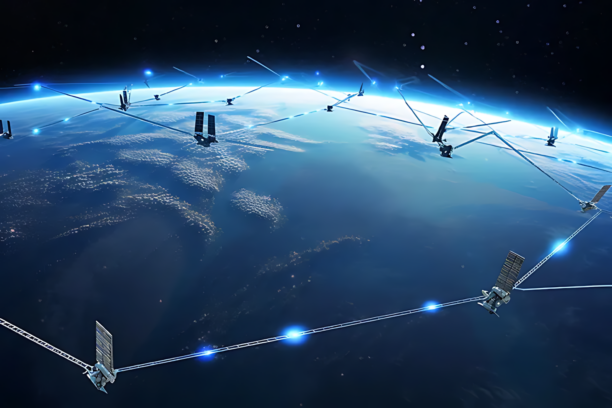
SpaceX engineers, working alongside astronomers—including the scientific director of the Vera C. Rubin Observatory—have conducted a joint study on the impact of Starlink satellites on astronomical observations. The main concern: satellite brightness interfering with telescope imaging during nighttime operations. The findings show that SpaceX has honored
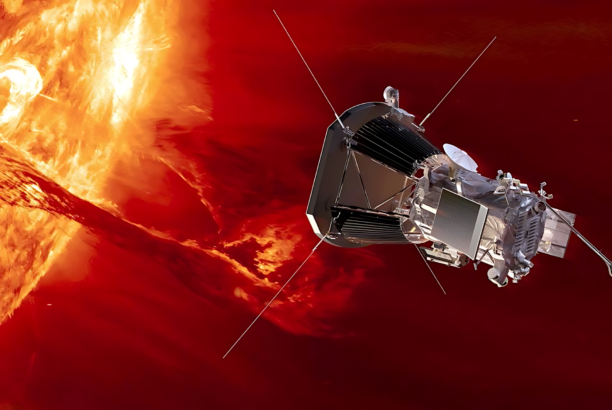
On June 9, 2025, NASA’s Parker Solar Probe completed the primary phase of its mission by making its 24th and closest-ever flyby of the Sun. During this pass, the probe reached an unprecedented distance of just 6.2 million kilometers (3.85 million miles) from the solar surface, accelerating to a speed of 687,000 km/h (427,000 mph) […]