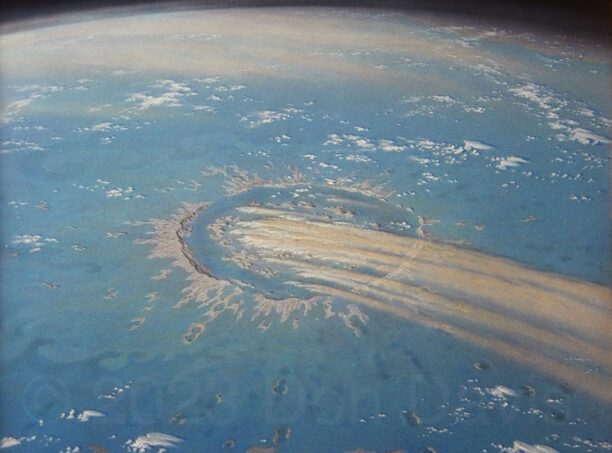
A massive impact crater, the Pilbara Crater, has been discovered in Western Australia, measuring approximately 100 km in diameter. It is now the oldest confirmed impact structure on Earth, dating back 3.47 billion years, surpassing the Yarrabubba Crater, which is a mere 1.2 billion years old.
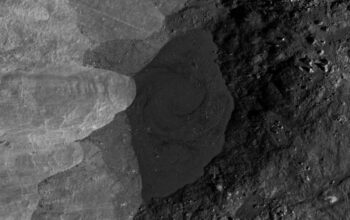
Key evidence includes conical structures with radial grooves—formations that only occur from high-velocity impacts exceeding 10 km/s—as well as spherules, tiny beads of molten rock rich in nickel and chromium. The age of the crater was determined using uranium-lead dating of zircons, revealing an astonishing 3.7 billion years. The impact released an immense amount of energy, estimated between 10²³ and 10²⁴ joules, potentially causing localized mantle melting.
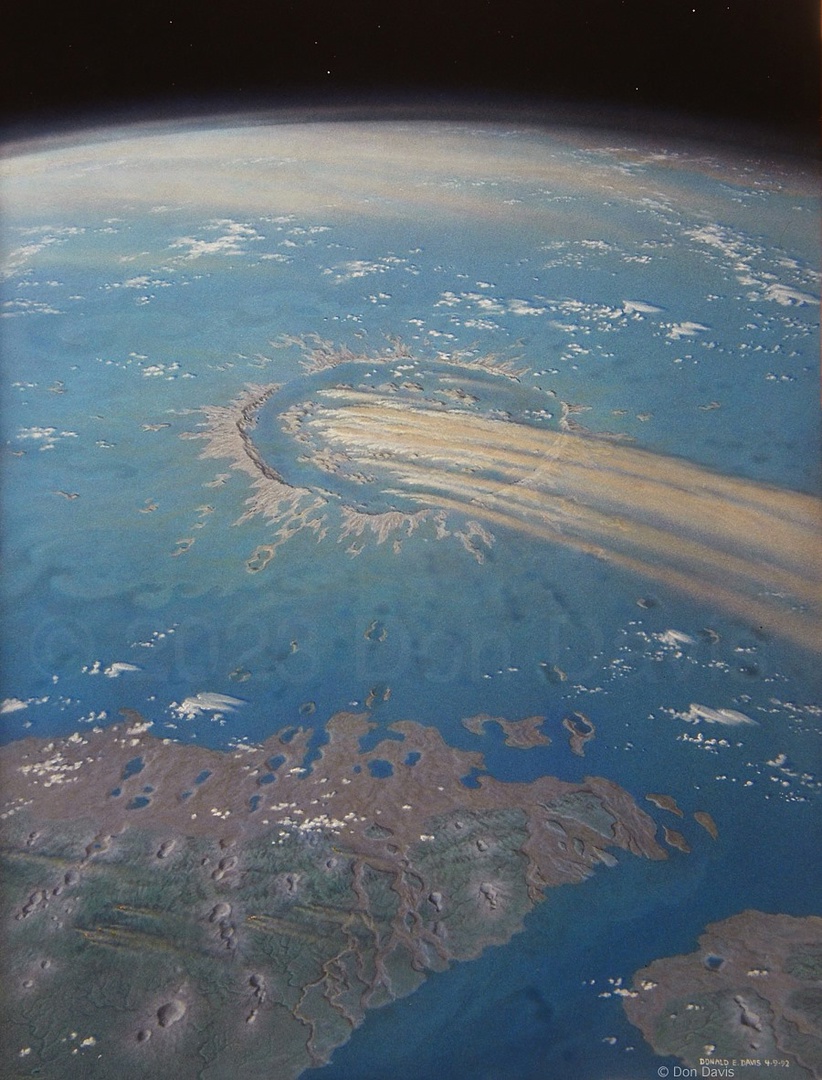
The asteroid impact also triggered hydrothermal fluid flows through cracks in Earth’s crust. These fluids may have served as an “incubator” for early life, as evidence of microorganisms dating back 3.48 billion years was found near the crater. Additionally, the release of greenhouse gases like CO₂ and CH₄ could have influenced the planet’s climate.
The Pilbara Crater is just one of many ancient impact sites hidden within Earth’s Archean rock formations. This discovery highlights that meteorite bombardment not only caused destruction but may have also played a role in shaping tectonic, hydrothermal, and biological processes. Studying such structures provides valuable insights into Earth’s past and helps us prepare for future cosmic threats.
#space #science #educational #technology