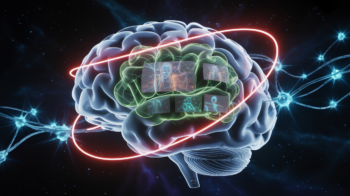
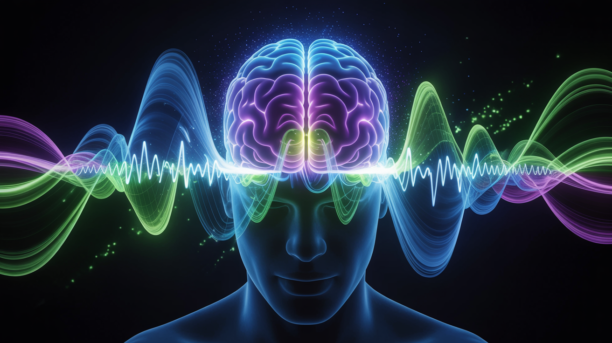
Scientists at the Massachusetts Institute of Technology have discovered a universal marker of consciousness loss under anesthesia — a disruption in the phase synchronization of brain waves. This breakthrough could pave the way for automated anesthesia monitoring systems and brings researchers one step closer to understanding the nature of consciousness. Although drugs like ketamine and dexmedetomidine affect the brain through different mechanisms, they produce similar effects by disturbing the coordinated activity of neurons, ultimately leading to unconsciousness.
In a conscious state, neurons exchange information efficiently through synchronized brain wave phases. Anesthesia disrupts this synchronization, particularly between regions of the prefrontal cortex within the same hemisphere — specifically the dorsolateral and ventrolateral areas. At the same time, synchronization between the brain’s hemispheres increases, which contrasts with typical activity during wakefulness.
This desynchronization is especially pronounced at low frequencies and depends on the distance between brain regions. For instance, even a gap of just 2.5 mm can produce a phase shift of up to 30°, and at 20 mm, the shift can reach nearly 180°. These findings indicate that anesthetics fundamentally alter how brain activity is coordinated.
If similar effects are observed with other anesthetic drugs, phase synchronization could serve as a universal indicator of unconscious depth. This approach could improve drug dosing accuracy and help distinguish anesthesia from natural sleep, opening new frontiers in neuroscience and anesthesiology.
#space #science #educational #technology