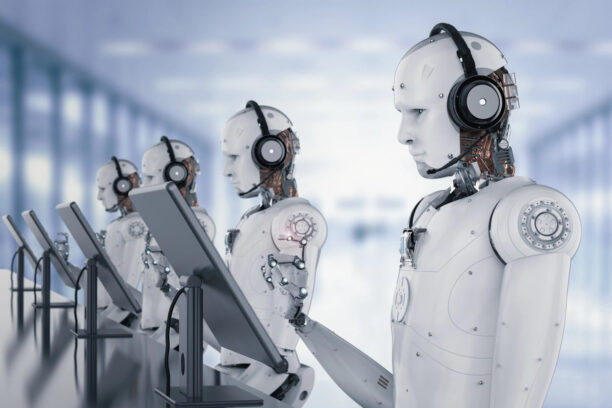
Researchers around the globe are pioneering the concept of quantum robots—machines that could transcend current technological limitations and potentially achieve human-level intelligence by integrating quantum computing. While quantum computing and artificial intelligence are transformative fields in their own right, their convergence promises to revolutionize robotics with unprecedented computational power and adaptability.
Quantum robots leverage the principles of quantum mechanics to elevate machine capabilities. These robots would process vast datasets in real time, adapt instantly to dynamic environments, and exhibit cognitive behaviors akin to human intelligence. Key research areas include enhancing navigation and decision-making, applying quantum algorithms to tackle complex problems, and enabling advanced quantum communication.
The architecture of quantum robots blends quantum and classical components. Quantum modules would handle sophisticated computations and high-level data processing, while classical systems would manage routine tasks and ensure seamless integration with existing infrastructures. This hybrid design could empower robots to perform tasks far beyond the reach of today’s machines.
Despite their promise, quantum robots face significant hurdles, primarily due to the nascent state of quantum hardware and software. Advances in these technologies will be critical to unlocking the full potential of quantum robotics, paving the way for the next generation of intelligent, adaptive machines.
#space #science #educational #technology