Scientists have made a major discovery that could reshape how post-traumatic stress disorder (PTSD) is treated. In preclinical experiments on mice, researchers identified the mechanism responsible for overwriting traumatic memories once the threat is gone—a process that, until now, was not well understood.
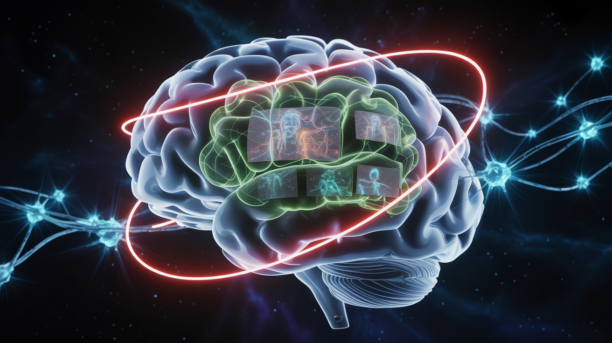
The study revealed that dopamine, a key neurotransmitter, plays a central role in this process. Signals from the ventral tegmental area (VTA) deliver dopamine to the amygdala, where specific neurons are activated to suppress fear. Enhancing this dopamine signaling helped reduce PTSD-like symptoms in mice, allowing them to return to a calm state more quickly after being reminded of a traumatic event.
The findings point to new therapeutic targets for treating PTSD and other psychiatric disorders. Clinical trials are expected to follow, to test whether the same approach is effective in humans.
Previous studies have already shown that susceptibility to PTSD and depression may be linked to structural and functional differences in the brain’s prefrontal cortex—highlighting why individuals can react so differently to psychological trauma.
#space #science #educational #technology