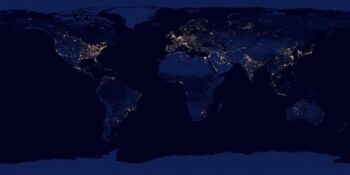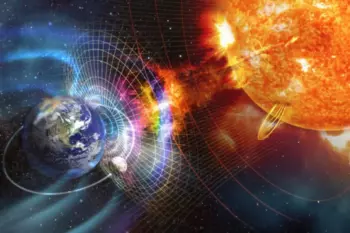

In 2025, a peak in solar activity is expected, which could seriously disrupt global electronic systems, including the internet. According to the National Oceanic and Atmospheric Administration (NOAA), electromagnetic pulses generated during solar storms pose a threat to servers and equipment that maintain the functioning of the network. This could lead to widespread disruptions and internet outages worldwide.
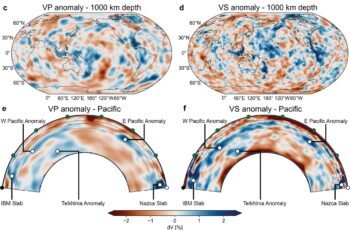
In addition, scientists are warning about the potential intensification of climate change. Melting glaciers and greenhouse gas emissions could negatively impact the stability of the Gulf Stream, which in turn would lead to cooling in Europe, rising sea levels in North America, and worsening droughts in Africa, South America, and India. Increased activity in tectonic plates has also been observed, raising the risk of earthquakes, particularly in seismically active regions such as Japan and Turkey.
Despite these alarming forecasts, experts believe that catastrophic consequences can be minimized. Researchers are currently working on developing protective systems and early warning mechanisms to help avoid or reduce the impact of these potential threats.
#space #science #educational #technology