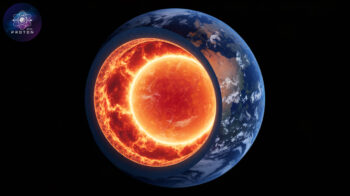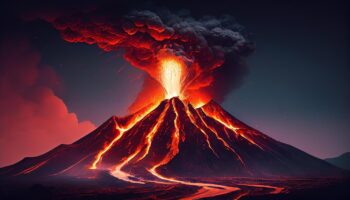

American geologists have detected a shift in magma beneath the Yellowstone supervolcano, with mass moving toward the northeast region of the park—an area previously considered stable. According to a study published in Nature, approximately 440 cubic kilometers of rhyolitic magma have accumulated in this region, a volume comparable to the reserves before the volcano’s major eruption 1.3 million years ago. Data indicates that basaltic magma from the lower crust is migrating into the rhyolitic reservoirs, increasing their heat and potential activity.
The study used seismographs and magnetotelluric imaging systems, which track magma movement by analyzing changes in the magnetic and electrical properties of the Earth’s crust. A newly installed network of over 100 sensors enabled the creation of a three-dimensional model of the magma chambers at depths ranging from 2 to 40 kilometers, marking the first detailed mapping of Yellowstone’s magma reservoirs.
Researchers identified seven major magma reservoirs, with the northeastern chambers showing the highest activity. These reservoirs are actively filling with rhyolitic material, capable of triggering explosive eruptions. Previously overlooked, this region’s newfound activity significantly impacts the assessment of volcanic risks.
The findings suggest increased magmatic activity, warranting heightened monitoring. The northeastern part of the caldera could become a new center of volcanic activity, posing a potential threat to civilization akin to past massive Yellowstone eruptions.
#space #science #educational #technology