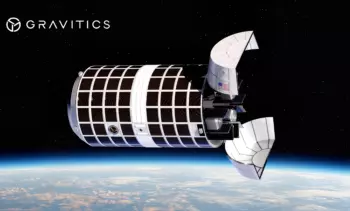
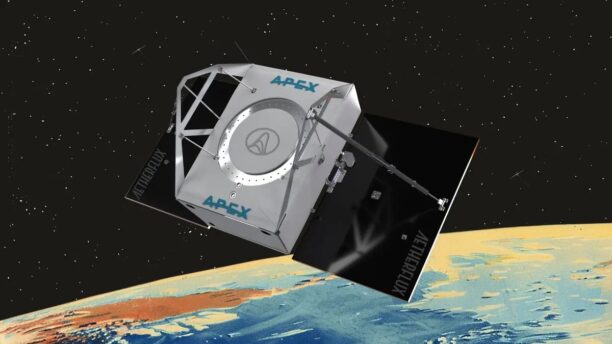
U.S.-based startup Aetherflux has raised $50 million to develop space-based solar power technology and is aiming for an orbital demonstration in 2026. Instead of relying on bulky geostationary panels, the company is building a network of compact satellites in low Earth orbit that will collect solar energy and beam it down to Earth.
Aetherflux’s system uses infrared lasers to deliver energy with pinpoint accuracy—within 10 meters—making it more cost-effective and flexible than traditional microwave-based transmission systems. The company plans to launch its first 1-kilowatt test satellite in 2025 to demonstrate ground-based energy transfer.
The project could revolutionize the energy sector: satellites may one day supply power to remote areas where traditional grids are unavailable. Other global players, including China and the European Space Agency (ESA), are also working on similar systems—China, for example, is planning tests for its space station by 2030. As competition in this emerging field heats up, Aetherflux is positioning itself as a frontrunner.
While orbital solar power could become a key to a sustainable energy future, challenges remain—namely, ensuring the safety of laser-based transmission and minimizing energy loss along the way.
#space #science #educational #technology