
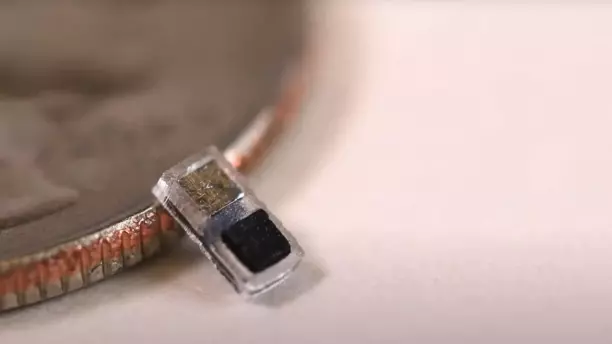
Engineers at Northwestern University have developed the world’s smallest pacemaker — a device so tiny it can be injected into the body with a standard syringe. Designed for temporary cardiac pacing in newborns with congenital heart defects following surgery, the device’s standout feature is its complete biodegradability inside the body, eliminating the need for surgical removal.
The pacemaker is smaller than a grain of rice and works in tandem with a soft, wireless patch placed on the infant’s chest. If the baby’s heart rate drops dangerously low, the patch detects the change and activates the pacemaker using an infrared signal, restoring normal rhythm.
The project was led by John Rogers and Igor Efimov. According to Efimov, around 1% of newborns worldwide are born with heart conditions, and many require temporary pacing support. This made it crucial to design a device specifically tailored for the tiniest patients.
One of the major engineering challenges was miniaturizing the power source. To avoid using traditional batteries, the team turned the device into a galvanic cell — using two different metal electrodes that react with the body’s fluids to generate electrical current. Infrared light from the external patch triggers an internal photosensitive switch, activating the device only when needed.
#space #science #educational #technology