
ECOSPHERE
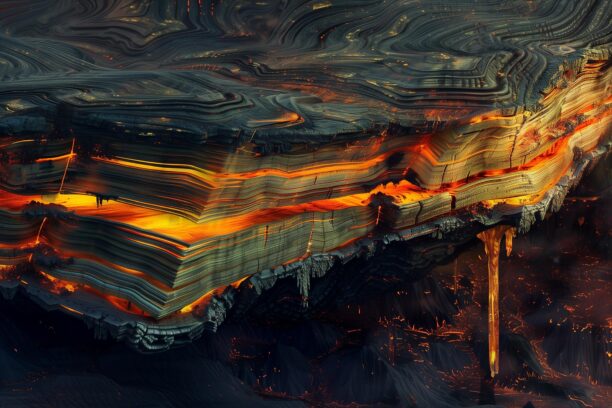
Geologists from the University of Texas at Austin have discovered that the lower portion of the North American continent is slowly sinking into Earth’s mantle. They believe this process is linked to the remnants of the ancient Farallon oceanic plate, which has been subducting beneath the North American plate for millions of years. The area […]

The South Atlantic Anomaly (SAA) is a region of weakened magnetic field located between South America and southwestern Africa. While it does not affect daily life on Earth, its impact on spacecraft is highly dangerous. Satellites crossing this area are exposed to intense radiation from solar particles, which can cause electronic malfunctions, equipment damage, and […
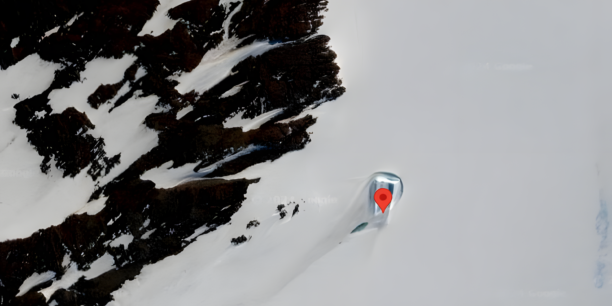
Satellite images of Antarctica, published on Google Maps, have stunned researchers by revealing a structure resembling a massive door amid the ice. This enigmatic object has sparked numerous theories—ranging from the hatch of an alien spacecraft to the entrance of a secret bunker or even a refuge for the Yeti. The size and shape of […]
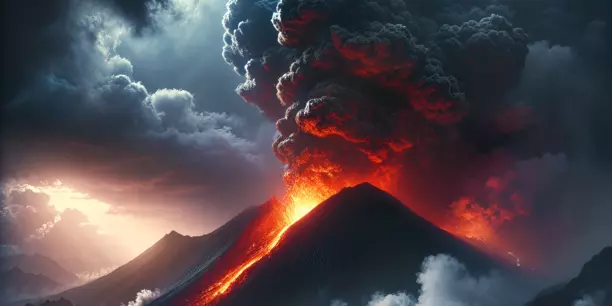
Mount Erebus, located on Ross Island in Antarctica, is one of the continent’s few active volcanoes and the southernmost on Earth. Recent studies of its emissions have revealed an unusual phenomenon—the presence of tiny gold crystals in the air. According to IFL Science, the volcano releases approximately 80 grams of gold per day, equivalent to […]
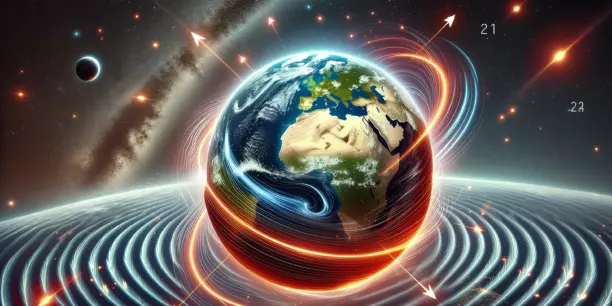
The shifting of Earth’s geographic poles and its rotational axis relative to the crust is drawing increasing attention from scientists. This process can occur within relatively short timeframes and may be triggered by various factors, including the movement of tectonic plates, changes in the magnetic field, asteroid and comet impacts, as well as climatic and […

An international team of researchers has discovered that helium, previously thought to be chemically inert, can form compounds with iron under high pressure. Using laser-heated diamond anvil cells to simulate extreme conditions of Earth’s interior, the study suggests that significant helium reserves may exist in the Earth’s crust, challenging existing