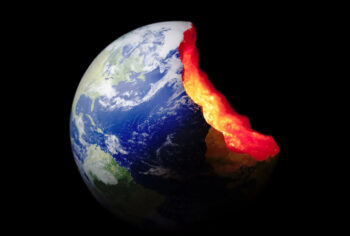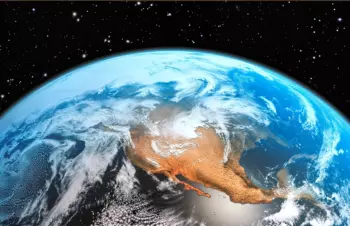

Geologists from the University of Texas at Austin have discovered that the lower portion of the North American continent is slowly sinking into Earth’s mantle. They believe this process is linked to the remnants of the ancient Farallon oceanic plate, which has been subducting beneath the North American plate for millions of years. The area where this phenomenon is observed includes a craton — a stable, ancient section of the lithosphere once thought to be virtually unchanging. However, scientists are now detecting signs of its thinning.
This “dripping” of the lithosphere occurs as rocks in the upper mantle partially melt, merge, and gradually sink deeper, leading to a thinning of the craton. The effect is particularly noticeable in the U.S. Midwest. While this is a remarkable discovery, researchers emphasize that the process is extremely slow and will eventually stop, as the remaining pieces of the Farallon plate descend further and lose their influence on the lithosphere.
The findings were made possible by a new seismic tomography model developed by Dr. Junlin Hua in collaboration with co-author Stephen Grand. The model allowed scientists to observe, for the first time, how portions of the lithosphere “drip” into the mantle — a key step toward understanding how continents break down over geologic time.
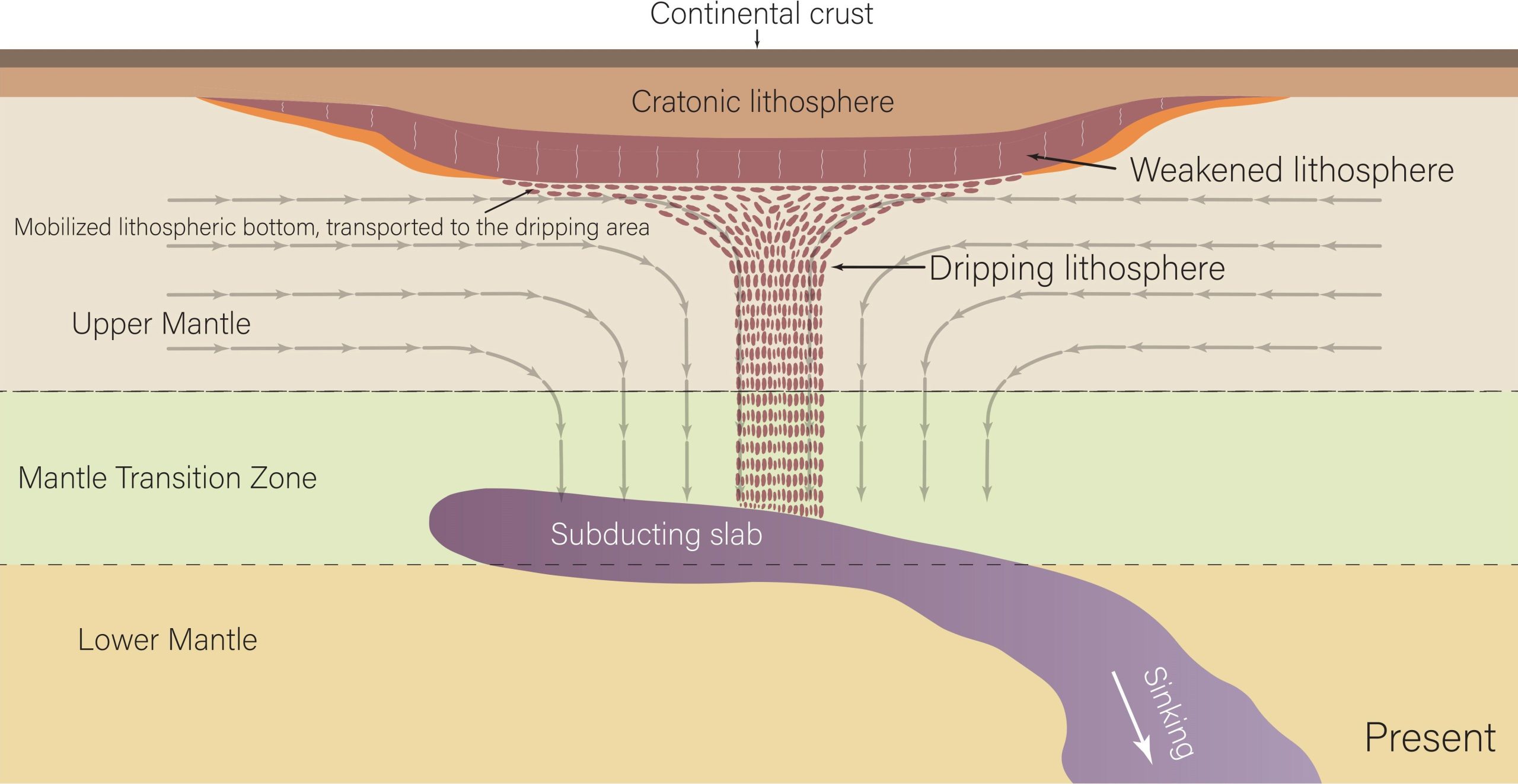
Researchers believe that the Farallon plate, which once contributed to the formation of the North American continent, is now slowly dismantling it from below. Mantle flow is pushing against the base of the craton, releasing volatile elements and weakening its structure. The study spans both the United States and Canada and offers a more realistic view of the deep geological processes shaping our planet.
#space #science #educational #technology