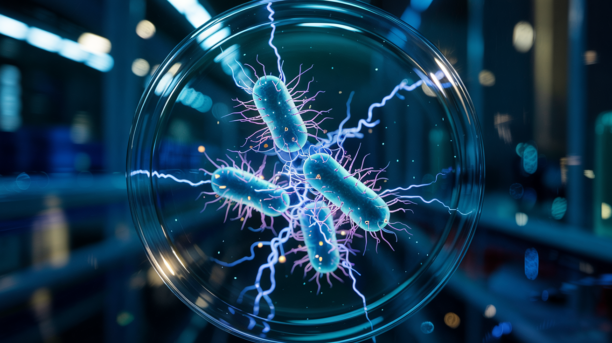
Scientists from Oregon State University have discovered a new species of bacteria—Ca. Electrothrix yaqonensis—with an extraordinary ability to conduct electricity. Found in tidal sediments at the mouth of Yaquina Bay (Oregon, USA), this bacterium stands out for its nickel-rich protein fibers, which are three times thicker than those found in other cable bacteria. This structural difference enables exceptional conductivity, opening new possibilities for bioelectronics and environmental technologies.
Ca. Electrothrix yaqonensis functions as a living wire, transferring electrons from deep sediment layers rich in sulfides (electron donors) to surface layers where oxygen (electron acceptor) is present. This makes it a crucial player in nutrient cycling and geochemical processes on the seafloor. Metabolically, the species occupies an intermediate position between two known genera of cable bacteria, combining traits from both and offering new insights into their evolution.
Potential applications include bioremediation (cleaning polluted sediments), bioelectronics (developing biocompatible conductive materials), and environmental monitoring (creating biosensors). Thanks to interdisciplinary collaboration with European scientists, the research represents a significant advancement in microbiology and biotechnology.
The bacterium’s name, yaqonensis, honors the Yaqona people, native to the Yaquina Bay region. This discovery broadens our understanding of how living organisms can manipulate electric currents and offers promising tools at the intersection of biology, ecology, and engineering.
#space #science #educational #technology