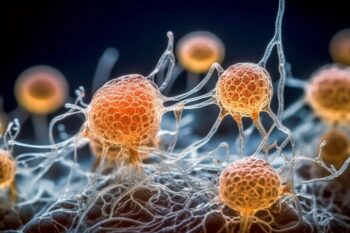

American scientists have created a groundbreaking antioxidant, MDP, designed to protect humans from radiation. This innovative substance is inspired by the bacterium Deinococcus radiodurans, renowned for its ability to survive extreme conditions due to its unique protective mechanisms. Researchers at Northwestern University in Chicago replicated these mechanisms, synthesizing a compound that combines manganese ions, phosphate, and an artificial peptide.
MDP works by preventing damage to cellular proteins, which is the primary cause of radiation-related injuries. Its robust structure mimics the natural defenses of the bacterium, often referred to as “Conan the Bacterium,” effectively shielding cells from radiation exposure. This breakthrough could pave the way for a new class of radioprotective drugs.
This development is particularly significant for space exploration, where radiation poses a serious risk to astronauts. MDP could play a crucial role in long-term missions, such as those to Mars, where crews will face prolonged exposure to cosmic radiation.
Additionally, the compound could be used to safeguard individuals working in high-radiation environments, such as emergency responders at nuclear power plant disaster sites.
#space #science #educational #technology