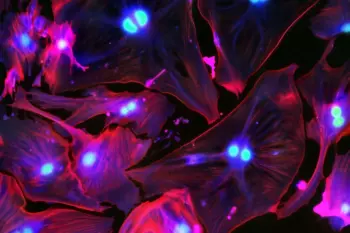
American researchers have discovered that epithelial skin cells can exchange electrical signals, warning neighboring cells of danger. This was unexpected, as these cells were previously thought to lack communicative abilities. The discovery could aid in the development of new medical devices to accelerate wound healing.
The experiment involved a specialized chip coated with keratinocytes, the primary cells of the epidermis. Researchers damaged the cell layer with a laser and recorded the resulting electrical signals using an electrode grid. These signals propagated at a speed of 10 mm/s, traveling hundreds of micrometers from the injury site. The communication was driven by ion channels in cell membranes, which regulate the transport of charged particles, primarily calcium ions.
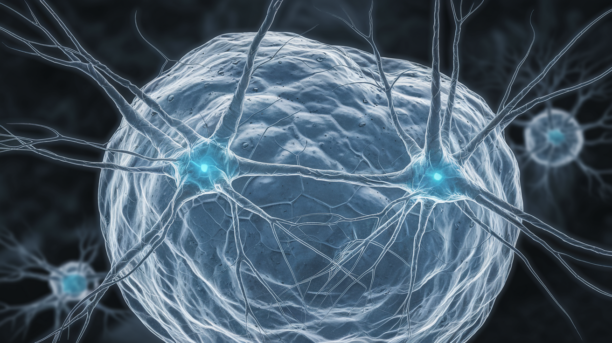
While the signaling mechanisms resemble neural impulses, epithelial cells respond to mechanical stimuli rather than chemical or electrical changes like neurons. Additionally, their signals last much longer—up to five hours—and exhibit a cyclic pattern similar to neuronal activity.
Scientists continue to investigate what factors determine the nature of this communication and whether the mechanisms differ among various types of epithelial cells. Initial tests highlight the key role of calcium ions, but further research is needed to fully understand the process.
#space #science #educational #technology