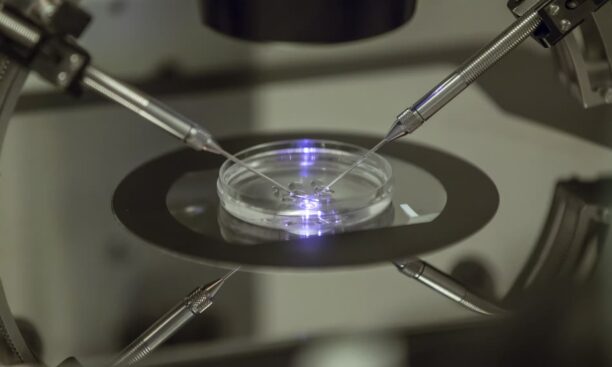
Scientists have made significant progress in developing artificial gametes (IVG), a breakthrough that could enable people with infertility to have biological children. These lab-grown eggs and sperm are derived from reprogrammed skin cells or stem cells. The technology has already been successfully tested in mice, including cases involving two biological fathers, but achieving the same level of efficiency with human cells remains a challenge. Despite this, startups such as Conception and Gameto predict that IVG could enter clinical practice within the next decade, potentially revolutionizing fertility treatment.
The development of IVG sparks both hope and controversy. One major concern is “solo parenthood”—creating both gametes from a single individual—which carries a high risk of recessive genetic diseases. Alternatively, “multiparenthood,” where embryos from multiple individuals are used to generate gametes, is considered a more viable approach. However, both scenarios raise significant bioethical and safety concerns.
Key concerns include the potential creation of large numbers of embryos for genetic screening, raising fears of eugenic practices. IVG could also eliminate age-related fertility barriers, increasing risks associated with late pregnancies. Additionally, unintended mutations in artificial gametes could have long-term consequences for future generations, making rigorous safety testing essential.
At an HFEA meeting, experts emphasized the need for strict regulation of IVG and the prohibition of potentially hazardous practices. While safety and public acceptance remain critical challenges, the prospect of overcoming fertility barriers offers new hope to millions struggling with infertility.
#space #science #educational #technology